About Me

My photo
My name is Matthew Bowman and I am a senior at Stevenson University with a major in business administration and a minor in marketing. I am from Frederick, Maryland and play lacrosse on the men's lacrosse team at Stevenson University.

Pages

Showing posts with label plastic. Show all posts

Wednesday, April 29, 2020

How Coronavirus has Changed the Way We View Disposable Products

plastic killsThe coronavirus pandemic has globally impacted every industry and the way we view things. Recently, I read an article about how many grocery stores are banning the use of reusable bags which means there's a higher demand for plastic goods. Because plastic is so cheap and convenient, there's a resurgence of the amount of plastic being used in the food industry.

Restaurants have had to transition to carry out options rather than the traditional seating of a restaurant. The carry out food industry has been booming which means more plastic and single use products to transport the food. As society was transitioning into using reusable products, the coronavirus has changed the way we think.


While there is no evidence, the coronavirus is being transmitted through food or plastic is safer, the use of reusable products are off limits. Throwing something away that came outside the house feels safer to consumers. The governor of New Hampshire and the state of California have banned the use of reusable bags.

A recent PEW Research Center Survey found one out of five adults have used a food delivery service rather than making food at home due to COVID-19. As this pandemic worsens, people are more attracted to use plastic and single use products because they feel safe. How will this affect the environment?

While grocery stores and restaurants continue to consumer plastic, as individuals we can make other efforts to cut back on plastic. Try ordering out less and still continue to make food at home during the pandemic. Stop using single use plastic bags at home and try reusable products in your own home. Reuse the plastic bags rather than just throwing them out, can be used to carry lunches, trash bags, and other ways.



Tuesday, April 21, 2020

Top 10 Tips to Begin Living Sustainable Life

We live in an era where people are becoming more aware of their decisions and at least want to live more sustainably from reducing waste or reusing materials. I read a great article on Gineers Now, here is the link https://gineersnow.com/engineering/environment/top-10-tips-on-conscious-consumption-sustainable-living. As I have said before in my blog, little changes in your every day lifestyle can make big differences in the world. That's why I will provide 10 tips, and if someone starts being conscious of one of them, they will begin to make a difference.

Here are the 10 tips to living a sustainable lifestyle:

1. Reduce Use of Single Use Plastic - for example plastic straws, plastic utensils, and plastic cups and plates are a waste and can only be used once. If a product can only be used once, then must be disposed it's not a sustainable way of living

2. Cut Down on Meat Consumption - agriculture and farm animals are the biggest contributors to climate change

3. Reduce Food Waste - start composting food scraps and start own garden to produce vegetables

4. Support Fair Trade Products - fair trade has raised standard of living and reduces risk and vulnerability to farmers

5. Be Conscious When Buying Products - consider what you need rather than want and consider how long the product will last and can it be recycled

6. Use Public Transportation - using gas powered cars causes greenhouse gases which hurt the environment or consider carpooling to reduce number of cars on road

7. Give Presents that are Experiences - give gifts like tickets to a game or amusement park rather than a toy that will be thrown away within 6 months

8. Adopt, Don't Shop - talking about animals, visit a shelter rather than buying

9. Reduce Electricity - simple things such as unplugging chargers when not using and turn off lights when not in room

10. Practice the 5 R's - reduce, reuse, recycle, repurpose, and refusing. Use energy saving light bulbs, shorten showers, buy reusable products, be aware of plastic usage, and buy environmentally friendly products

These 10 tips are all important, but take one at a time. For example, try to unplug all chargers when not using, turn off lights when you don't need, and shorten your shower. Make these a habit which will change your lifestyle slightly, but will make big differences in how you life a sustainable lifestyle!

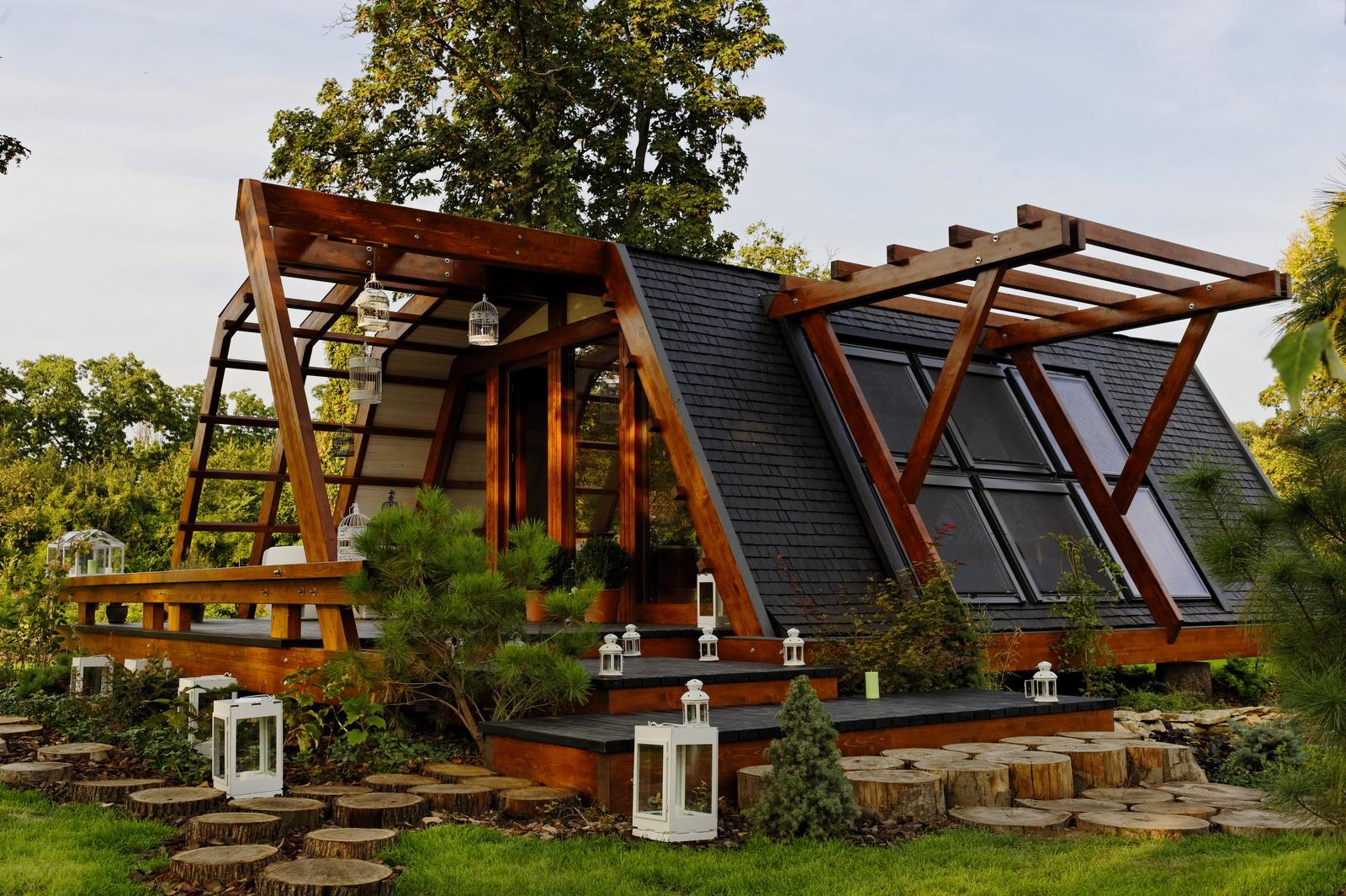
sustainable house

Tuesday, April 7, 2020

Susatainable living is about smart consumerism

less plastic
I recently read an Aspen Times article about the owners or EcoRoots, Antonia Pitica and Alin Turcea, who saw the issue of overusing plastic in their everyday lives and decided to do something to change the way they live their lives. They believe "By removing plastics from everyday choices, individuals have the power to make a collective difference for the planet. Some everyday items made of plastic are: grocery bags, to-go cups, water bottles, and toothbrushes.


EcoRoots started to think how they could substitute these products with reusable ones that care about the sustainability of the planet, also while educating the public about the importance of everyday choices. EcoRoots is creating this minimalist, go green brand that considers future generations. EcoRoots believes they have an obligation to future generations to address pollution and climate change issues. These are issues our society faces but little to none change their action in order to help the situation.

As I've stated in this blog before, it's all about taking little steps to a more sustainable lifestyle, it's not a change that'll happen overnight. Most of the time it just takes one step in order to change your lifestyle completely. The founders of EcoRoots started their sustainable lifestyle journey by starting to bring reusable bags to the grocery store, which turned into trying to avoid plastic wrapped products, and switched to biodegradable bamboo toothbrushes.

I enjoyed reading this article because it reiterates a lot of points I've made throughout this blog about changing to a sustainable lifestyle. The main points are small steps will create big changes and it's not a process that happens overnight. If you are someone who wants to live a more sustainable lifestyle, think about your everyday routine and how much plastic and waste you create, then try to reduce that waste a little bit with one change tomorrow and make it a habit.


Sunday, March 8, 2020

[INFOGRAPHIC] Top Worst Products for the Environment

The list above are the top 5 worst products for the environment that college students use the most in their everyday routine. College students must be educated about the consequences of each decision they make. For example, if college students understood how bad single use razors are for the environment they would switch to a reusable durable razor that will last years. 

Plastic bags are recognized for being bad for the environment, but it's estimated between 500 billion to one trillion are used world wide. Stop using plastic bags and invest in a durable re-usable grocery bag. 

How often do you buy a coffee on the go? Paper coffee cups are bad for the environment and the quickest solution is to invest in a reusable travel coffee mug. Some stores reduce the cost of the coffee when customers bring in a reusable mug too!

Plastic water bottles are a big problem in the pollution around the world. 1,500 plastic water bottles are consumed every second in the United States. Investing in a reusable water bottle will keep the drink more cold and reduce your carbon footprint. 

Batteries can be dangerous to the environment due to the chemicals that are used to make them. Also, mining for these resources is terrible for the environment. A battery contains one or more of the following metals: lead, zinc, mercury, lithium, as well as acids. 

Disposable razors are made with blades from cheap steel and handles made from cheap plastic. Two billion disposable razors are discarded in the United States each year. Since most of it can't be reused they are placed into landfills. 

The simple solution for most of these products is to invest in a reusable product that can be used for years and years. Single use and disposable products are detrimental to the environment since none of the product can be recycled, it ends up in the landfill.